


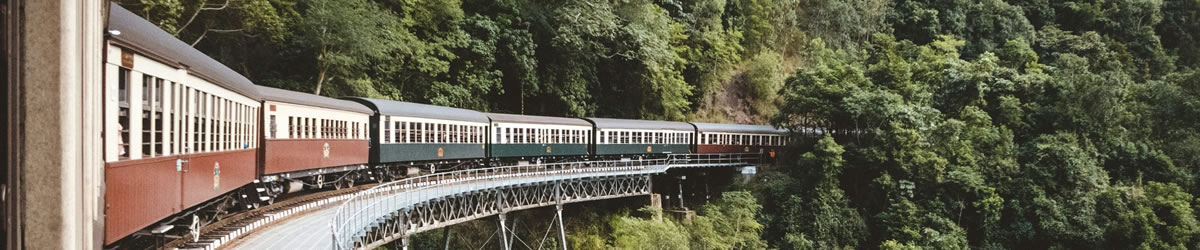
Australian Sightseeing provides information about major attractions, landmarks, and scenic locations across Australia. Sightseeing experiences range from natural wonders and cultural sites to city landmarks, helping visitors understand what to see and where to go.
Sightseeing in Australia reflects the country’s geographic diversity and cultural history. Visitors can explore coastal landscapes, national parks, historic sites, and urban attractions, often combining multiple sightseeing experiences within one trip. Many destinations offer easy access to viewpoints, walking trails, and interpretive facilities.
A common traveller question is how to prioritise sightseeing in Australia given limited time. Travellers often select highlights based on region, interests, and season. Planning tools such as Australian tourism resources and regional guides via Australian towns and regions support itinerary decisions.
Sightseeing opportunities vary widely between cities, coastal areas, and inland regions.
Accommodation choice can influence sightseeing efficiency, particularly when staying close to major attractions or transport hubs. Central accommodation reduces travel time between sites.
Travellers commonly compare options using Australian accommodation guides and hotel-focused planning through Australian hotel resources when organising sightseeing itineraries.
Sightseeing activities include visiting landmarks, scenic lookouts, cultural sites, and natural attractions. Many locations offer guided tours or self-guided experiences supported by signage and visitor facilities.
Visitors often research experiences through day tour information and broader activity ideas via tour planning guides.
The best time for sightseeing depends on location and season. Weather conditions, daylight hours, and visitor numbers influence comfort and accessibility.
Transport planning may involve flights, car hire, or public transport depending on itinerary. Useful preparation resources include flight planning information and general advice through Australian travel tips.
Travellers should consider seasonal events, weather forecasts, and opening hours when planning sightseeing days.
Australian Sightseeing appeals to travellers seeking broad exposure to the country’s highlights. Many visitors combine iconic attractions with lesser-known sites to gain a balanced travel experience.
Compared with destination-specific guides, national sightseeing resources help travellers understand how attractions connect across regions. This supports efficient planning and realistic travel routes.
Travellers planning multi-destination itineraries often use holiday planning guides to coordinate accommodation, transport, and sightseeing priorities. Sightseeing remains a central part of exploring Australia’s natural and cultural identity.